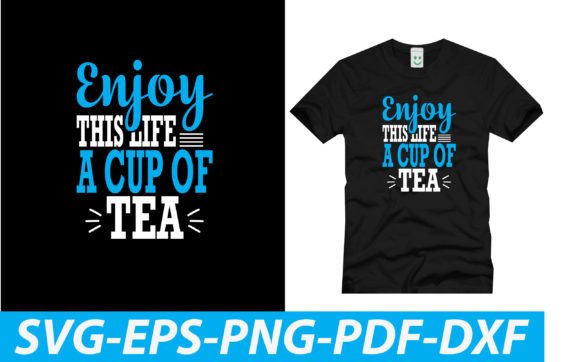
Enjoy This Life a Cup of Tea
A Quiet Moment, Stitched Right
As someone who’s digitized and stitched hundreds of embroidery files for clients—from boutique baby lines to Etsy shops selling personalized kitchen towels—I opened Enjoy This Life a Cup of Tea expecting warmth, not whimsy. And it delivered: clean curves, gentle spacing, and a quiet confidence in its simplicity. It’s not shouting for attention; it’s inviting pause. That matters—especially when you’re stitching this onto a linen tea towel for a wedding gift or embroidering it on the chest of an organic cotton sweatshirt for your small shop.
How It Lives in Real Projects
I tested Enjoy This Life a Cup of Tea across three real-use scenarios: a medium-weight canvas tote bag (for a local café’s branded merch), a 100% cotton baby onesie (as a custom shower gift), and a twill-backed embroidered patch meant for aprons sold at craft fairs. In each case, the design held up—not because it’s flashy, but because its proportions breathe. The cup sits comfortably within standard 4"–5" hoops, the script flows without tight loops or fragile joins, and the leafy accent beside the teacup reads clearly even at 3.5" tall.
This isn’t a design that fights fabric. On the tote, it stitched cleanly with medium tear-away stabilizer—no puckering, no thread breaks. On the onesie, I switched to lightweight cut-away and reduced density slightly; the lettering stayed legible, and the cup’s rim retained crisp satin stitch definition. Even the patch, stitched on twill with a light fusible backing, held sharp edges after washing and ironing.
Where It Shines—and Where to Pause
Enjoy This Life a Cup of Tea fits naturally into handmade product categories where tone and tact matter: nursery decor, slow-living lifestyle brands, wellness-focused apparel, and thoughtful holiday gifts. It works beautifully on tea towels, pillow covers, denim jackets, and unstructured caps—but only if you choose the right placement. Avoid stitching it directly over seams or heavy darts; the curve of a baseball cap bill or the shoulder seam of a raglan sleeve can distort those delicate lowercase letters.
Be mindful on dark or textured fabrics. The design relies on subtle contrast—the curl of steam above the cup, the slight taper of the handle—so on black terry cloth or thick bouclé, test first with high-contrast thread (like ecru on charcoal). Also, skip dense fill stitches in the cup’s interior unless your machine handles tight stitch density well; a lighter fill or strategic running stitch background keeps it breathable and wash-durable.
What Makes It Feel “Handmade,” Not Mass-Produced
There’s an honesty in how Enjoy This Life a Cup of Tea balances detail and restraint. The script isn’t overly ornate, so it doesn’t look stiff or dated. The teacup isn’t cartoonish—it’s grounded, slightly imperfect, like something sketched by hand then refined for stitch. That authenticity translates directly to customer trust. When buyers see this on your Etsy listing or boutique shelf, they don’t think “generic clipart.” They think “someone chose this carefully—for them.” That perception lifts perceived value, especially for personalized gifts or small shop merchandise.
Practical Notes from the Hoop
Before stitching Enjoy This Life a Cup of Tea into your next project, here’s what I recommend:
- Always test on scrap fabric first—especially if using stretchy knits or textured weaves. A quick run on cotton jersey revealed minor letter distortion until I added a light tear-away + topping combo.
- Check thread color contrast early. Try the design in grayscale mockups against both light and dark backgrounds. Some soft grays read beautifully on ivory linen but disappear on oatmeal fleece.
- Review stitch density in your embroidery software. The file includes multiple vector formats (SVG, EPS, DXF) and raster options (PNG, JPEG)—great for digital previews or printable mockups—but the actual stitch file isn’t included in the download description. Confirm whether your embroidery machine software can generate a stable, optimized stitch file from these assets—or if you’ll need digitizing support.
- Confirm hoop size compatibility. At full scale (approx. 4.5" wide), it fits most standard hoops—but double-check before hooping expensive fabric.
- Inspect small details at 200% zoom. The dot over the “i” and the curve of the steam line are fine but intentional. If your machine struggles with tiny satin columns, consider simplifying that element manually.
- Verify licensing terms. Since this is a digital embroidery file sold as a Graphics product in the Crafts category, confirm whether commercial use (e.g., stitching for resale on finished tote bags or patches) is permitted under the seller’s terms.
Final Thought: A Design That Serves the Moment
Enjoy This Life a Cup of Tea doesn’t try to be everything. It’s not bold enough for a festival hoodie, too gentle for a gym bag, and too specific for mass-market branding. But for the maker who values intention over impact—the Etsy seller curating a calming capsule collection, the craft fair vendor offering heirloom baby embroidery, the small shop owner building quiet brand consistency—it’s exactly right. It stitches cleanly, reads warmly, and feels like a shared exhale. In a world of rushed production and noisy design, that kind of clarity is rare. And worth every careful stitch.